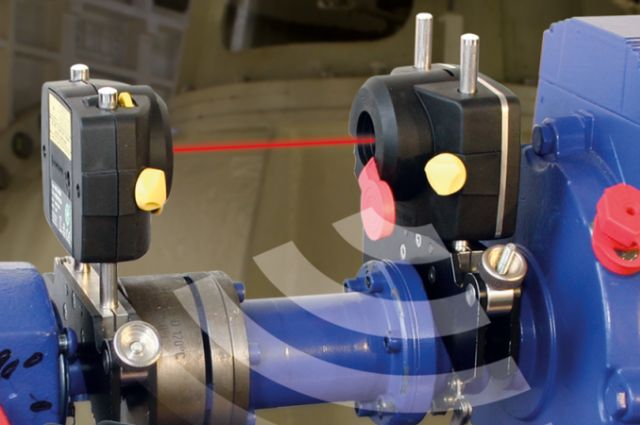
Field balancing services allow corrections to be performed without removing equipment from its installed location.
Maintenance planning becomes more predictable when vibration issues are minimized.
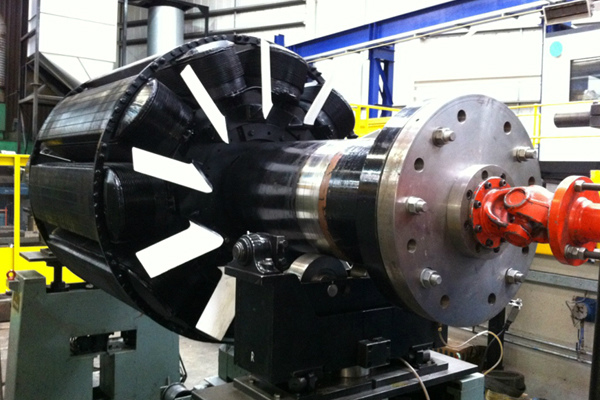
Electric motor balancing contributes to improved equipment lifespan and operational reliability.
Proper balancing protects connected equipment such as pumps, fans, compressors, and gearboxes.
Industrial facilities benefit from lower repair frequency and fewer emergency shutdowns.
Balancing reduces structural stress on foundations and support frames.
Industrial balancing can be performed on new installations to verify proper operation before full production begins.
Electric motor balancing helps maintain accurate rotational speed and stable torque output.
Balanced rotating assemblies improve coupling alignment and reduce seal wear.
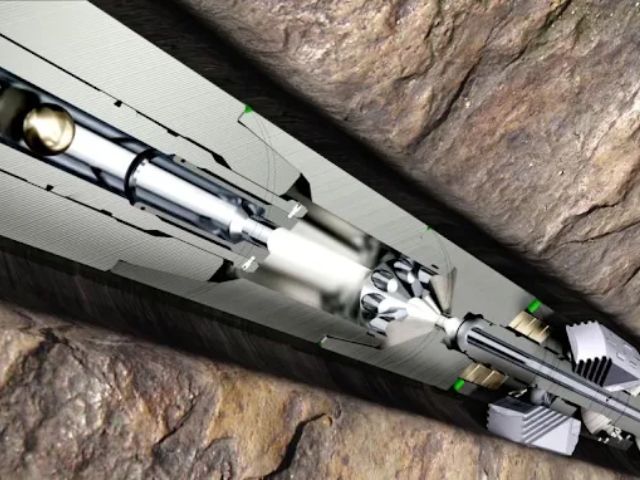
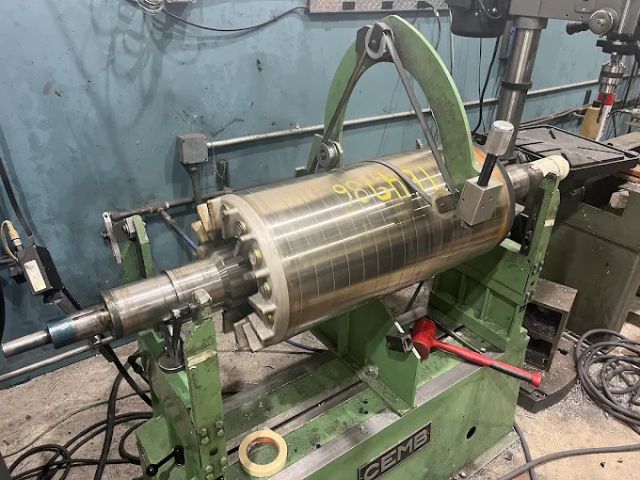
Heavy industrial operations in Detroit depend on reliable motors for assembly lines, processing systems, and material handling equipment.
Manufacturing plants rely on balanced motors to ensure consistent production output and minimize unexpected downtime.
Predictive maintenance programs include vibration monitoring and balancing to detect problems early.
Balanced motors maintain smoother startup and shutdown cycles.
Electric motor balancing services identify imbalance using specialized vibration analysis equipment and measurement instrumentation.
Detroit industrial facilities often operate continuously, and balanced motors help maintain stable operation during long production cycles.

Properly balanced motors protect sensitive equipment connected to the drive system.
Correct weight placement during balancing eliminates harmful resonance conditions.
With professional electric motor balancing in Detroit, MI, facilities can protect critical equipment, reduce maintenance costs, and maintain consistent operational performance.
When an electric motor operates with imbalance, vibration levels increase, leading to premature wear of bearings, couplings, and supporting components.
Accurate balancing supports compliance with equipment vibration standards and reliability programs.
Engineers use balancing data to evaluate equipment health and long-term performance trends.